


When you walk into a grocery store today, you can get almost anything at any time of year.
Strawberries in the middle of winter. Tomatoes in January. Cherries long before summer has even arrived. But the strange thing is that many of these foods barely taste like anything when they’re out of season. Strawberries are pale and watery. Tomatoes are firm but flavorless, grown thousands of miles away and shipped across the country before they ever reach the shelf.
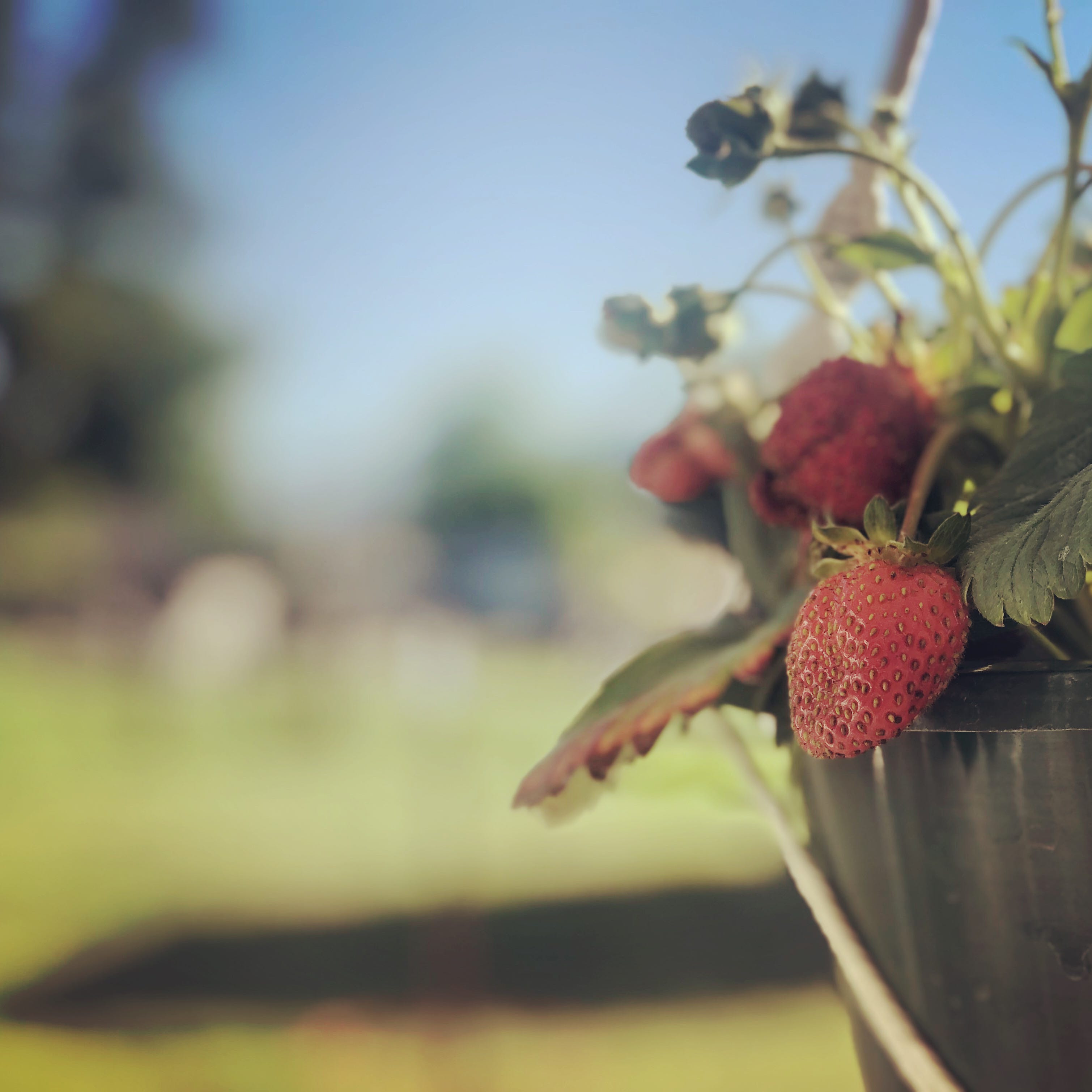
And yet the grocery store looks the same year-round.
The same foods, the same lighting, the same aisles. Our routines often look the same too. We cook the same meals, shop the same way, and move through life with very little indication that the seasons outside are actually changing.
Modern life has quietly flattened the calendar.
It tries to make every month feel the same.
But the human body and mind were never designed for that kind of sameness. We are built for cycles. For beginnings and endings. For seasons of activity and seasons of rest.
Long before the industrial and technological revolutions reshaped daily life, people moved with the seasons because they had to.
Planting happened at certain times of year. Harvest came later. Food was preserved for winter because there was no guarantee it would be available once the cold arrived. Work followed the rhythm of the natural world, and periods of rest were built into the calendar simply because the land itself demanded it.
Nature shaped everyday life.
Now we’ve removed most of the reminders of it.
When strawberries are available twelve months a year, they stop feeling special. When tomatoes are always on the shelf, there’s nothing to look forward to when summer finally arrives.
Food loses its sense of timing.
And when the seasons disappear from our food and routines, something else disappears with them.
We begin to expect constant productivity. The same level of energy in January as we have in July. The same pace of life regardless of what is happening in the natural world around us.
At the same time, many people feel increasingly disconnected from nature without quite understanding why.
Living seasonally pushes back against that.
It reminds us that there is a time for planting and a time for harvest. A time for growth and a time for rest. A time when life is bursting forward and a time when things grow quiet again.
The garden makes this impossible to ignore.
You can’t rush a tomato plant. Seeds germinate when conditions are right. Cold weather forces the garden into dormancy whether we like it or not. When you grow food, you are constantly reminded that life moves in cycles.
And once you begin to notice those cycles, it changes the way you move through the year.
You start looking forward to the first tomatoes of summer because you know they won’t last forever. You notice the quiet slowdown of autumn. You accept that winter might be a season for planning, resting, and preparing for what comes next.
Living seasonally may seem unusual today, but it’s actually the most natural rhythm there is.
It’s simply remembering something that people once understood without needing to think about it.
And sometimes the easiest way to begin remembering is simple.
Grow something.
Watch how long it takes. Watch what the season asks of it. And watch how it changes the way you think about time, food, and the rhythm of life itself.
Ashley